
How to Fast
THE WHY
Fasting 101
Fasting is more than just ‘not eating’. It is to withhold food from our physical body for a limited time while we feed our spirit (our inner person) and connect with God.
01
Prayer during fasting is what truly makes it a spiritual exercise.
We gain spiritual authority because we are putting our body second so that our spirit and the Holy Spirit in us can be first. There are three seats of power in us: body (our flesh), soul, and spirit. The right flow of authority should be from the spirit to the soul, to the body (flesh). Fasting is an exercise that resets and establishes the correct flow of authority.
02
The ‘feeling’ of hunger that we often have is mostly hormonal.
Remember that when your body screams for food over a skipped meal, it is not because it cannot find nutrient resources within your body. It’s just that it is used to getting food at a certain time and it is used to getting a certain ‘type’ of food.
03
Fasting is a powerful tool to affect things spiritually that are affecting us physically, and it is a core Biblical principle.
One of the stories that reflect this is a fascinating story in Mark chapter 9, verses 14–29 where Jesus heals a boy and explains that the only way that was possible was by prayer and fasting. Another popular story is found in Daniel chapter 1. Daniel challenged his hosts to give him only fruits and vegetables for 10 days and compare his skin and overall health to others eating royal meals; and at the end of that period, he looked better nourished than the others.
Keeping things spiritual
01
Pray.
While all this is happening, it is important to pray, read your Bible and spend time with God. This is what takes this exercise from a mere physical thing to a spiritually fulfilling exercise. As your body thinks about food, reflect on God, read and meditate on Scripture. In this way, fasting is feasting on God's sustaining presence.
02
Listen.
Listen spiritually: The Holy Spirit will be speaking to you.
Listen physically: Your body will be speaking to you — about your addictions (sugar, carbs, etc.), and about your rhythm while you fast. Obey it. Feel like napping? Take a nap. Feeling energetic? Take a walk.
03
Find your ‘why’.
Articulate why you are personally fasting and seeking God’s face.
04
Meditate on Scripture.
Remember that there are people in Scripture who found great success because of fasting.
Jesus was strengthened after fasting (Luke 4:14)
Esther and her nation were delivered after fasting (Esther 3)
Jehoshaphat got victory after fasting (2 Chronicles 20:1-5)
Daniel experienced supernatural and physiological things after fasting (Daniel 1)
Ezra received direction, covering and favor from God after fasting (Ezra 8:21-23)
Nehemiah received strength after fasting (Nehemiah 1)


These are the things to consider when you are fasting that will help put you in the right frame of mind (and body) to get the best out of this fast.
THE HOW
*Please consult your doctor and adhere to their medical advice for any health concerns prior to starting the fast.
Step 1: Choose your mode
Before we get into the how-to and the plan, let’s establish some things.
01
There are typically three modes of fasting.
Normal Fasting — this is when you fast from food from the start of the day, but then you “break your fast” (by eating) at the end of each day, usually at 6pm.
Water Fasting — this is when you abstain from food and drink only water for a full 24 hours.
Dry Fasting — this is when you abstain from both food and water for a full 24 hours. Because this is especially challenging, it is important to consult your doctor and follow their medical advice before starting.
02
Fasting from things vs. fasting from food
Fasting from ‘things’ (social media, TV etc.) is good, but what we are talking about specifically is fasting from food. This is the ideal spiritual fast we are aiming for.
Step 2: Prepare

Prepare your body
At least a few days before your fast:
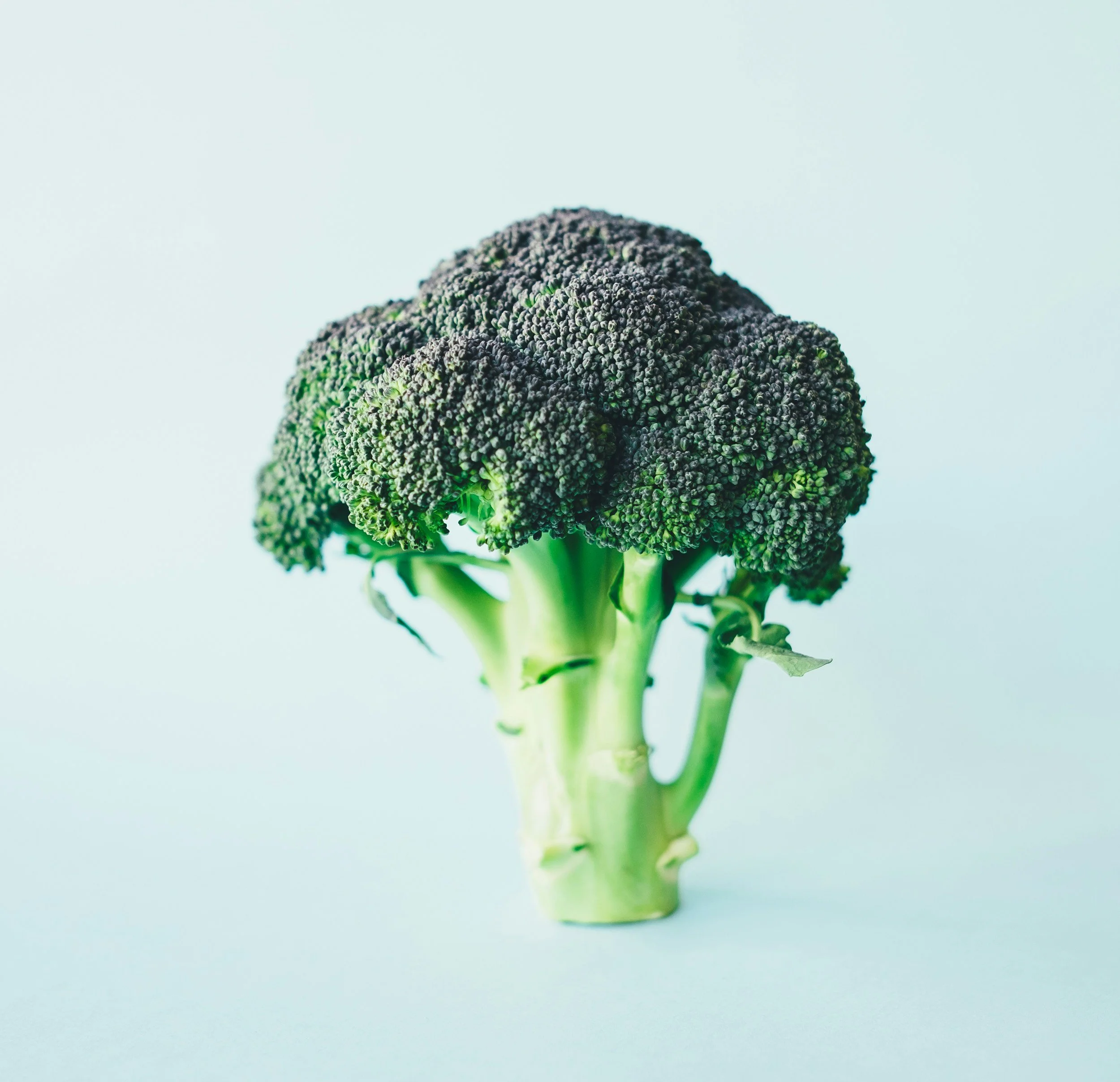
Double up on water — really hydrate!
Start to eat as clean as possible.
Gradually reduce your portion sizes.
Prepare your heart
Confess and repent of sin.
Make amends with people as the Holy Spirit leads you.
Disconnect from distractions (e.g. excessive media consumption).
Be expectant (Hebrews 11:6).
Step 3: Choose your fast
Option 1 — The Daniel Fast
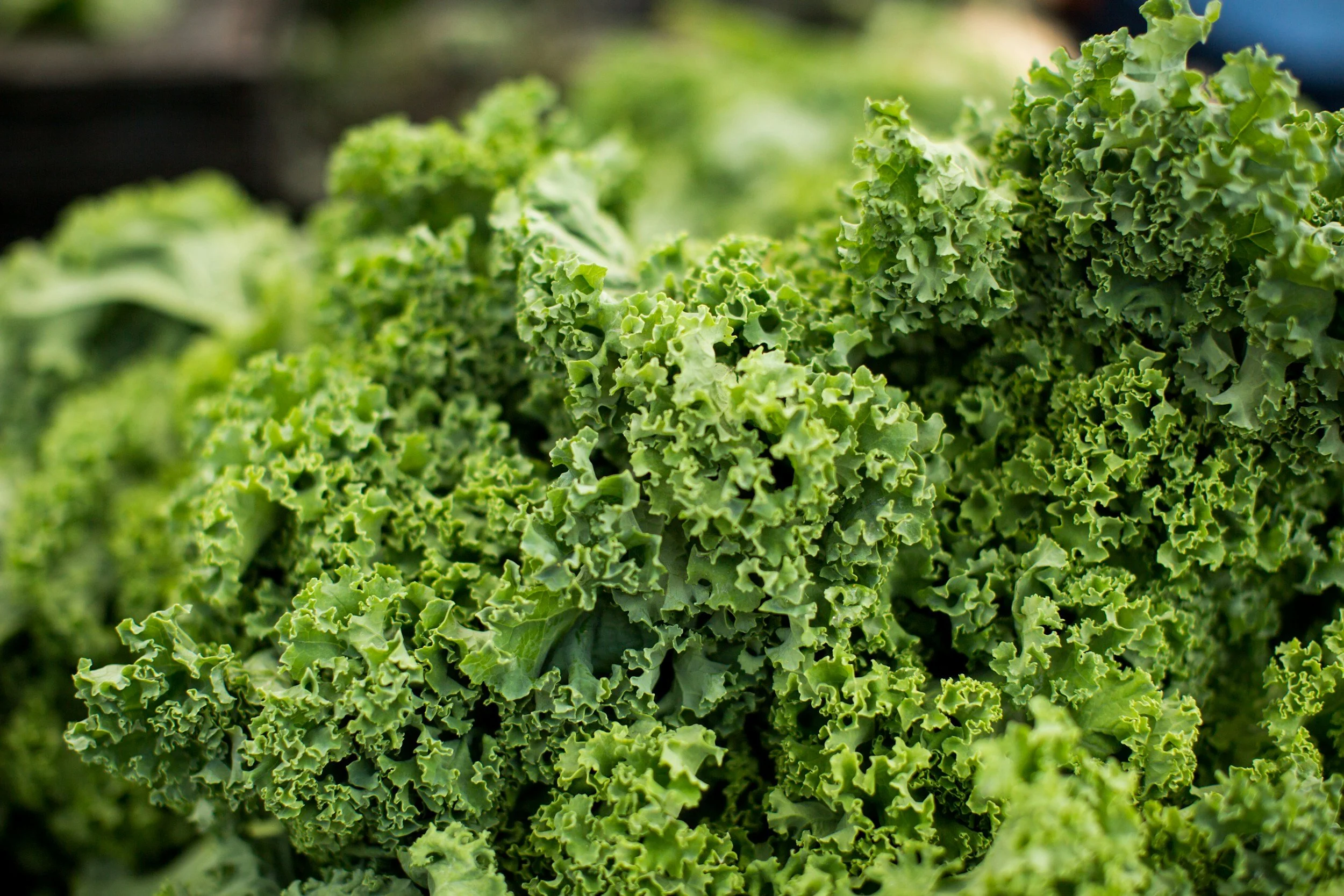
This entails adhering to a strict whole-food, plant-based diet, with an emphasis on foods in their least processed form. You can research this approach (Daniel 1:8–14, Daniel 10:2–3) to create a plan that fits your fasting experience level.
Option 2 — Time-based Fast
If you can do this, this is the recommended true fast.
This entails skipping (ideally two) meals in the day and breaking the fast in the evening.
More experienced fasters (or those who have prepared their bodies for a few days prior) can go straight to skipping two meals.
If you are new to fasting, consider ramping up gradually. Start by skipping breakfast for a couple of days, then progress to skipping both breakfast and lunch until you are ultimately waiting until dinner to break your fast.
Step 4: Best Practices
Throughout the fast
Consider creating an accountability group with a friend or two who are also fasting, or who at least understand your goals and will support you.
During your fast, avoid spending time with people who don’t understand your journey or who pressure you into compromising situations.
Drink plenty of water every day. (Warm water is especially beneficial.)
Cut out all processed foods as you prepare your body.
Listen to your body, but remember that it is trained to crave what it is used to getting — not necessarily what it actually needs.
Focus on eating alkaline-forming foods rather than acidic ones as much as possible.
Journal your journey!
A simple Google Doc will do.
How were the first three hours of your day?
How did you feel in general?
How were your thoughts and emotions throughout the day?
What Bible passage did you meditate on today?
What are you noticing about your body, both internally and externally?
How do you feel about your progress so far?
What adjustments do you need to make to ensure your fast remains effective?
Fast and pray
Our regular prayer programming runs right through the fast, and the prayer team is there if you need someone standing with you.
01
Prayer Call
Tuesdays at 9pm. Dial in from anywhere and pray with the church.
02
Prayer Night
Every last Friday. Come and pray with the whole community.